The Senior Care Policy Briefing covers important long-term care issues by highlighting policy updates, news reports, and academic research.
Read the full Senior Care Policy Briefing below or download here.
March 2, 2026.
NEWSFLASH
- In response to the Centers for Medicare & Medicaid Services’ repeal of the federal minimum staffing rule, Senator Ron Wyden and six other Senate Democrats introduced legislation to establish a statutory staffing requirement, effectively shifting the issue from regulatory to legislative action. The proposal would require nursing homes to meet specific staffing standards and dedicate funding toward workforce recruitment, retention, and wage support.
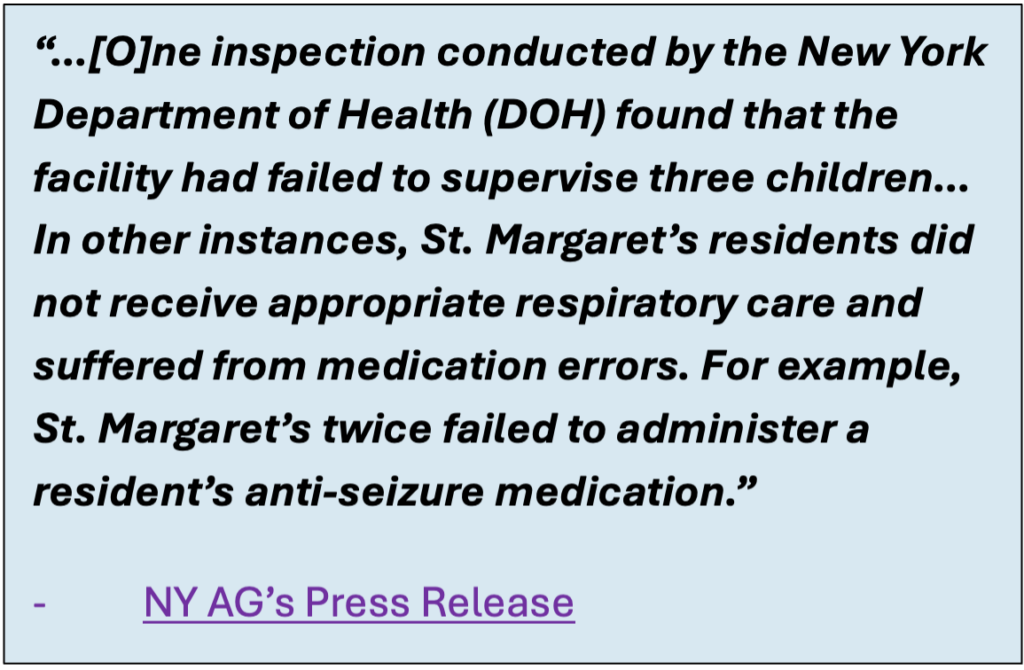
- New York Attorney General Letitia James secured a $1.3 million settlement with St. Margaret’s Center, a not-for-profit pediatric skilled nursing facility in Albany, after a multi-year investigation found years of resident neglect, understaffing, and false Medicaid certifications that endangered chronically ill and disabled children. The settlement requires the facility to pay restitution to Medicaid and submit to five years of federal monitoring by the HHS Office of Inspector General to ensure compliance with state and federal nursing home standards.
- This case highlights how weak staffing and compliance practices can lead to serious harm, even in pediatric settings, which typically have higher than average staffing levels.
CAPITAL FLOWS SURGE ACROSS LONG-TERM CARE SECTOR
- Capital Funding Group, a healthcare-focused lender that provides financing to senior housing and long-term care operators, more than doubled its prior year’s activity, closing $3.1 billion in senior housing and long-term care financings in 2025, reflecting strong lending momentum across the sector. The surge includes bridge loans, HUD-backed financing, and acquisition funding, signaling continued capital availability for operators and investors.
- The rapid expansion of financing activity underscores continued investor and lender confidence in the profitability of senior housing and long-term care – raising questions about the veracity of industry claims that sufficient staffing to meet resident needs is financially unworkable.
WHEN STAFFING FALLS SHORT, MEDICATIONS RISE
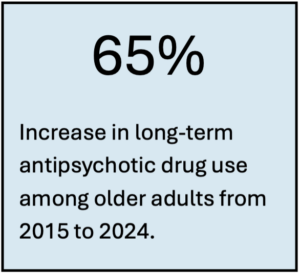
- New research finds that dangerously short-staffed senior living communities are more likely to rely on antipsychotic medications rather than behavioral interventions to manage residents with dementia and other cognitive conditions, McKnight’s reports. Researchers warn that inadequate staffing levels limit the ability to provide person-centered care, increasing the risk of inappropriate medication use and adverse health outcomes. The findings reinforce longstanding concerns that chronic understaffing drives clinical shortcuts that compromise resident safety and dignity.